Best Podcast Microphones for 2026
Choosing a microphone is often the moment where new podcasters feel stuck. There are endless opinions online, conflicting advice and plenty of technical jargon that makes a simple decision feel overwhelming. The good news is that podcasting microphones are far more forgiving than most people think.
If you are recording at home, you do not need a studio full of acoustic panels or an expensive broadcast setup to sound professional. You need a microphone that works well in real rooms, focuses on your voice and lets you hit record with confidence. Learn more about the best podcast microphones for 2026 with a clear focus on beginners and home studios.
Rather than chasing specs, we focus on microphones that actually work for everyday podcasters. By the end, you’ll know what to buy, why it works and how to grow your setup over time!
What to Look for in a Podcast Microphone
A lot of people buy a popular mic, plug it in and wonder why their audio sounds echoey, uneven or harder to manage than expected. Most of the time, the problem is not the microphone itself. It is a mismatch between the mic, the room and the setup. Understanding these three fundamentals will empower you to make a wise decision.
1. Dynamic vs Condenser
Dynamic microphones are generally better for podcasting at home because they focus on your voice and reject more background noise. They handle echo, traffic and household sounds far better in untreated rooms. Condenser microphones are more sensitive and capture more detail, which often includes unwanted room sound. Unless you are recording in a treated space, dynamic microphones usually deliver cleaner and more controlled podcast audio.
2. USB vs XLR
USB microphones connect directly to laptops and desktops, which makes them simple and familiar for beginners. You plug them in, select them in your software and start recording. XLR microphones require an audio interface or mixer, which adds flexibility but also extra hardware, cables and setup steps. For new podcasters, this can feel clunky at first. Dual USB and XLR microphones offer an easy starting point with room to grow.
3. Forgiveness Matters
Forgiveness describes how well a microphone handles real-world imperfections. A forgiving microphone still sounds good if you move slightly, change volume or record in a less-than-perfect room. This matters because most home podcasters are not sitting perfectly still in acoustically treated spaces. A forgiving mic reduces stress, smooths out small mistakes and helps your voice stay clear and consistent throughout long recording sessions.
4. Hardware & Setup
The microphone is only part of the setup. Stands, mounts, cables and interfaces all affect how easy it is to record. A microphone that works well with simple desk stands or basic boom arms is far easier to live with day to day. Likewise, common connectors and widely supported hardware reduce setup issues. Choosing podcast-friendly hardware saves time, avoids compatibility problems and keeps your focus on recording rather than troubleshooting.
Best Podcast Microphones for Beginners
If you’re starting out, the right microphone should make podcasting feel simple, not technical. Beginner podcasters are often recording in spare rooms, home offices or shared spaces, so a forgiving mic that handles background noise and inconsistent mic technique is essential.
The best podcast microphones for beginners are reliable, easy to set up and flexible enough to grow with you, which means you can focus on your content instead of troubleshooting audio.
Shure MV7 — A popular beginner-to-intermediate microphone with both USB and XLR outputs, allowing you to start plug-and-play on a computer and move to an audio interface later without changing microphones. Approx. AU RRP: $499
RØDE PodMic USB — Designed specifically for spoken voice, this microphone delivers clear, broadcast-style sound while rejecting room noise, making it ideal for first-time podcasters recording at home. Approx. AU RRP: $299
Samson Q2U — A well-known budget option that combines USB and XLR connectivity with a forgiving sound profile, perfect for beginners who want quality results without a large upfront investment. Approx. AU RRP: $149
Best Podcast Microphones for Home
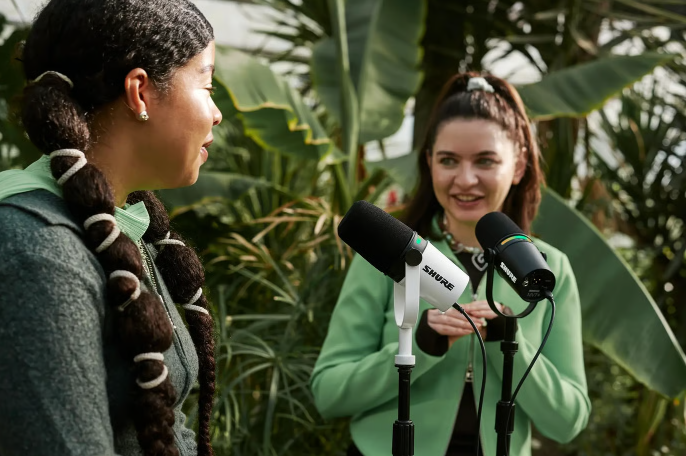
Recording at home means dealing with desks, laptops and rooms that are not acoustically treated. The best microphone for podcasting at home should be compact, easy to live with and forgiving of everyday noise.
These options work well on desks, need minimal accessories and make it easy to get clean voice audio without overthinking your setup.
RØDE PodMic — A compact XLR dynamic mic that pairs neatly with desk stands or boom arms and focuses on your voice while rejecting room noise. Approx. AU RRP: $199
Shure MV7 — Desktop-friendly with USB for instant setup and XLR for later upgrades, making it easy to record clean audio straight from a computer. Approx. AU RRP: $499
Audio-Technica ATR2100x — A small, forgiving USB/XLR microphone that works well on desks and delivers consistent results in untreated rooms. Approx. AU RRP: $169
Best USB Podcast Microphones
USB microphones make sense when you want to get recording quickly with the least amount of setup. They connect straight to a laptop or desktop, are recognised instantly by most software and remove the need for extra hardware. This simplicity is why the best USB podcast microphones are so popular with first-time podcasters and solo creators.
The limitation of USB appears when you want more control or multiple microphones. USB works best for one voice at a time and offers fewer options for expanding your setup later. If you plan to stay simple, though, these picks deliver reliable results.
RØDE PodMic USB — Built for spoken voice with a clean, broadcast-style sound and a straightforward USB connection that suits home recording. Approx. AU RRP: $299
Shure MV7 — A flexible USB microphone with onboard controls that lets beginners fine-tune their sound without extra gear. Approx. AU RRP: $499
Blue Yeti X — A versatile USB condenser mic that works well in quieter rooms and offers multiple pickup patterns for different recording styles. Approx. AU RRP: $269
Best XLR Microphone Options
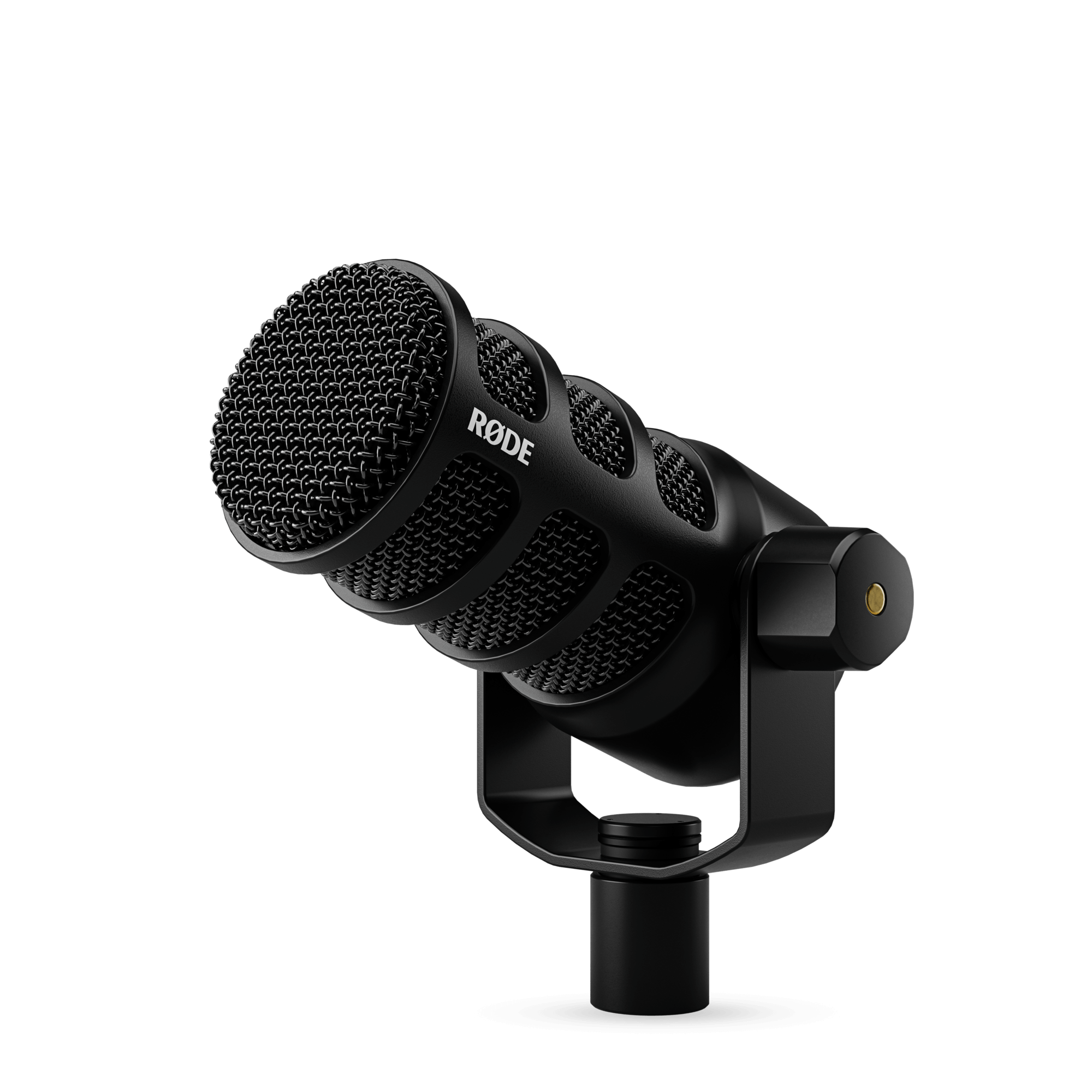
XLR microphones are designed for podcasters who want to build a more scalable setup. They deliver consistent audio quality, handle multiple microphones easily and give you greater control over gain and levels. For creators thinking long term, the best XLR microphone options offer reliability that grows with your podcast.
To use XLR, you will need an audio interface or mixer and an XLR cable. While this adds a step to your setup, it also opens the door to better control, easier upgrades and more professional workflows.
RØDE PodMic — A cost-effective XLR dynamic microphone that pairs well with entry-level interfaces and focuses tightly on voice. Approx. AU RRP: $199
Shure SM7B — A broadcast classic known for rich tone and strong noise rejection, ideal for podcasters ready to invest in premium sound. Approx. AU RRP: $649
Electro-Voice RE20 — A professional-grade dynamic microphone with smooth vocal response and minimal proximity effect for consistent recordings. Approx. AU RRP: $799
Best Budget Podcast Microphones
A tight budget doesn’t mean you have to accept poor sound. The key is understanding where budget microphones perform well and where their limitations sit. The best budget podcast microphones focus on spoken voice, avoid unnecessary features and deliver consistent results in home environments without demanding extra gear.
Budget options are best when you keep things simple. Pair them with basic mic technique and a quiet room and they can sound far better than their price suggests.
Samson Q2U — A long-standing favourite for beginners thanks to its USB and XLR connections and forgiving sound that works well in untreated rooms. Approx. AU RRP: $149
Audio-Technica ATR2100x — A compact dynamic microphone that delivers clean, balanced voice audio and fits easily into desktop setups. Approx. AU RRP: $169
Behringer XM8500 — An ultra-affordable XLR dynamic mic that performs surprisingly well when paired with a basic audio interface. Approx. AU RRP: $45
Best Bluetooth Microphones for Podcasting
Bluetooth microphones often appeal because they promise wireless freedom, but they come with important trade-offs. Compression, latency and connection stability can all affect recording quality. The best bluetooth microphones are usually better suited to mobile recording or video content rather than long-form podcasting.
That said, there are limited scenarios where wireless microphones can be useful, particularly for interviews or flexible setups in a public setting
RØDE Wireless GO II — A compact wireless system that works well for remote interviews or video podcasts, but is best used as a secondary recording option. Approx. AU RRP: $449
DJI Mic — A versatile wireless microphone kit with onboard recording that suits creators who need mobility more than studio-level control. Approx. AU RRP: $499
Please note that bluetooth microphones should be viewed as tools for specific situations and not as replacements for dedicated podcast microphones.

Next Steps
Choosing the right podcast microphone does not need to be complicated. The best results come from matching your microphone to your space, your experience level and how you plan to record. For most home podcasters, forgiving dynamic microphones and simple setups will outperform expensive gear used in the wrong environment.
If you are just starting out, prioritise ease of use and reliability. As your podcast grows, your setup can grow with it. Focus on consistency, clarity and comfort first. Great podcasts are built on strong conversations, not perfect equipment or cameras.
If you ever want hands-on guidance or a professional recording space, that’s exactly where Mavros Studios can help. For more information, please email help@mavrosstudios.com.au or call +61 401 629 551.